Skip to content

Menu

  • Home
  • Topics
    • Arts & Culture
    • Athletics
    • Business and Economy
    • Campus Life
    • Education & Society
    • Environment
    • Heritage/Tradition
    • Innovation
    • International
    • Law & Politics
    • Podcast: Listen in, Michigan
    • Research News
    • Science & Technology
  • Columns
    • President’s Message
    • Editor’s Blog
    • Climate Blue
    • Health Yourself
    • Talking About Words
    • Talking About Movies
    • Talking About Books
    • Up In Your Business
  • Galleries
  • Alumni Books
  • Alumni Memories
  • Alumni Notes
  • Podcast

Michigan Today

  • Subscribe
  • X (Twitter)
  • RSS
  • update your information

Office of the VP for Communications – Keeping alumni and friends connected to U-M

Remnants and remembrance

Nothing lasts forever, as evidenced by the recent razing of North Hall and its neighbor, the Museums Annex. Mark O’Brien, of U-M’s Museum of Zoology, took one last tour inside the Annex, capturing these poignant images of the fragments left behind. Collectors interested in an original print can contact O’Brien at mfobrien@gmail.com.
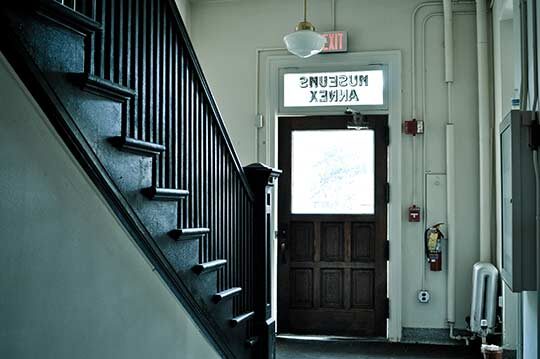
  • Out through the in door

    The Museums Annex was located on North University Ave. between the Ruthven Museum of Natural History and North Hall. The building originally served as the children’s ward of the University’s Homeopathic Hospital. It was constructed in 1919 for a cost of $32,322. Health Services took over the building in 1922, and it became the Museums Annex in 1940.

  • Quick getaway

    While the building served as the children’s ward of the hospital, this slide was an expedient escape route in the event of fire.

  • Underground connector

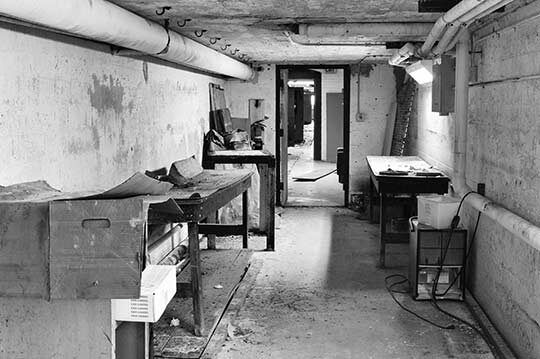
    A narrow underground tunnel once connected the Museums Annex and North Hall, a throwback to the time when both buildings were part of the medical family.

  • Step wise

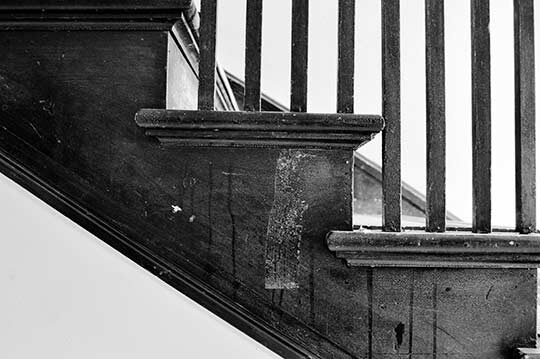
    The building had no elevator, but it featured wide stairways to accommodate hospital needs. It also included a dumbwaiter.

  • Passages

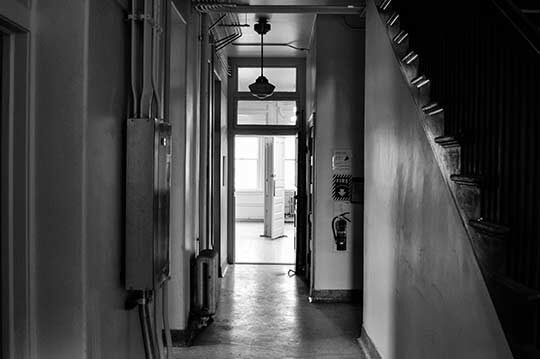
    Young patients in the children’s ward of the hospital may have been lucky enough to visit the University’s miniature zoo, which was located nearby.

  • Remains of the day

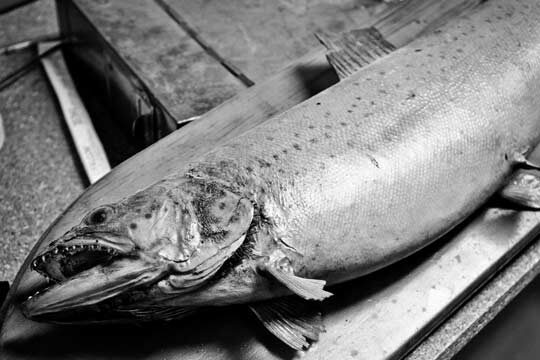
    Health Services vacated the building in 1940. At that time, the Institute for Fisheries Research — along with the Great Lakes Laboratory of the Fish and Wildlife Service and several other museum disciplines — moved into the Museums Annex Building.

  • Data mining

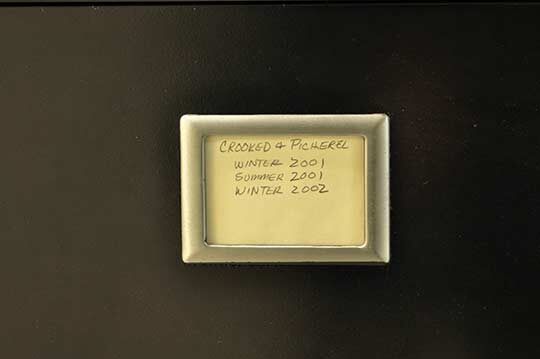
    In 1930 scientists in the Institute for Fisheries Research published the group’s first research report: “Diseased Bass from Loon Lake, Iosco County.” Read about U-M’s long and prominent history of Great Lakes research.

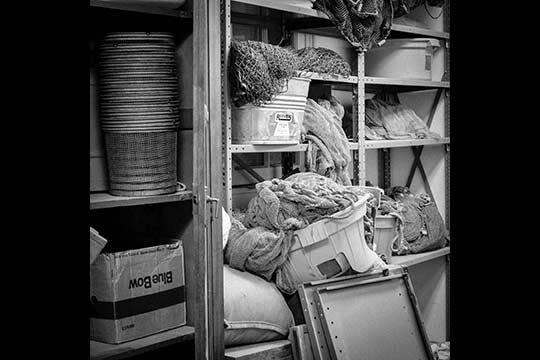
  • Net worth

    This gear would have belonged to scientists working in the Institute for Fisheries Research. The University first allocated space for the institute in 1930.

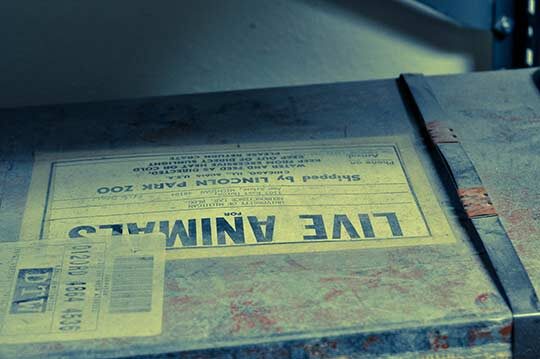
  • Wonder what was in there…

    Snakes? Mole-rats? Just another mystery.

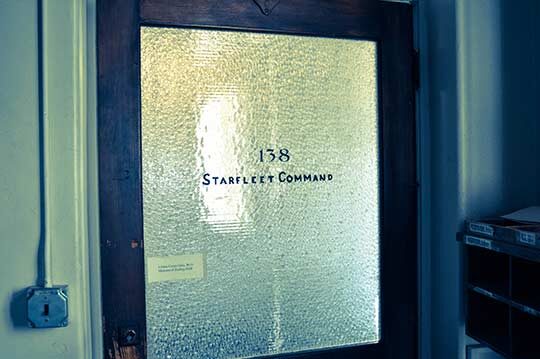
  • So that’s where it is

    A graduate student’s office door.

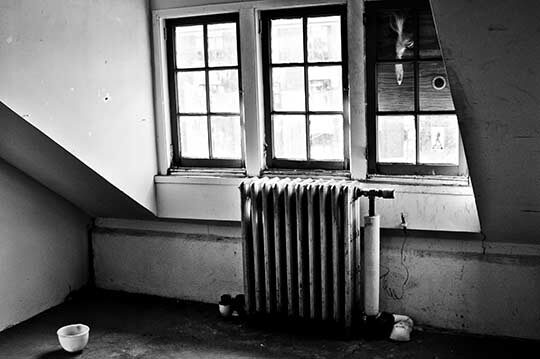
  • Overlook

    This melancholy space would be the ideal hideaway for a painter or a writer.

  • Kodak moment

    In the basement, O’Brien discovered a dark room that looked as though it had not been used in years.

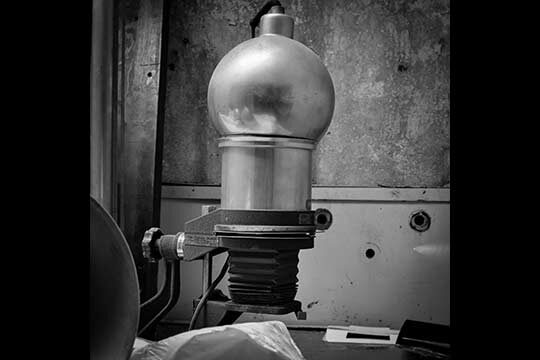
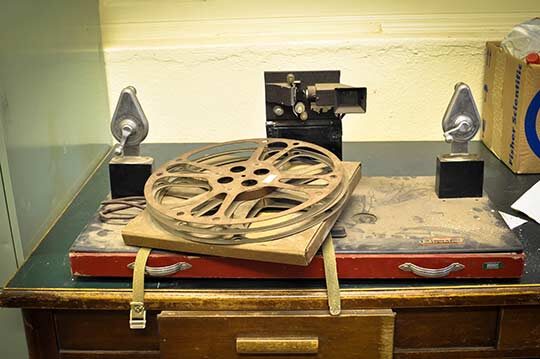
  • Edited out

    Outdated equipment from a bygone era.

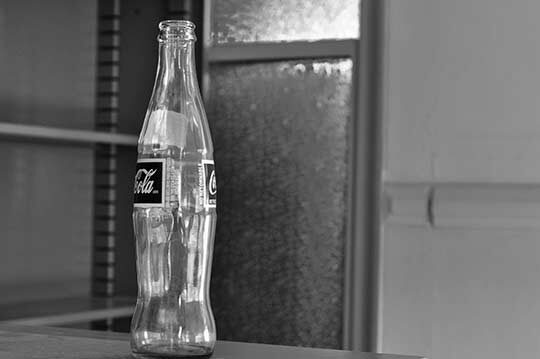
  • Iconic

    Timeless evidence that caffeine is the fuel of brilliance.

  • Pressed glass

    This pressed glass came from an interior door window. “It could make for a nice texture in Photoshop too,” O’Brien says.

  • Top drawer

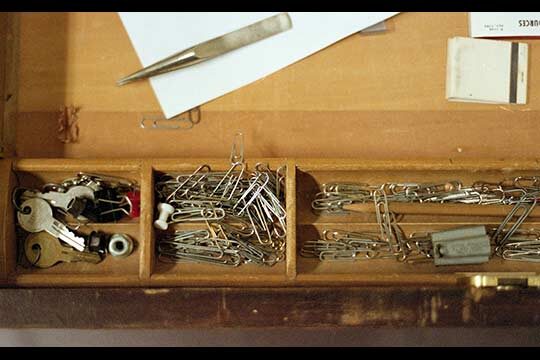
    Paper clips and keys to nowhere. We’ve all walked away from drawers like these…

  • Enter

    The space where the Museums Annex and North Hall once stood will be the site of a 300,000-square-foot, $261-million biology building that will be connected to the Life Sciences Institute.

University of Michigan
  • U-M Privacy Policy
  • About
  • Contact
  • Giving to U-M
  • Publications & Resources
  • U-M Alumni Association
  • Update Your Information
  • Unsubscribe
  • Podcast: “Listen in, Michigan”
Office of the VP for Communications
© 2026 The Regents of the University of Michigan