
Fall back
Daylight Savings Time is upon us yet again. For many people, the simple act of turning back their household clock wreaks havoc on their internal biological clock. Thus, it seems an opportune time to explore human circadian rhythms and health.
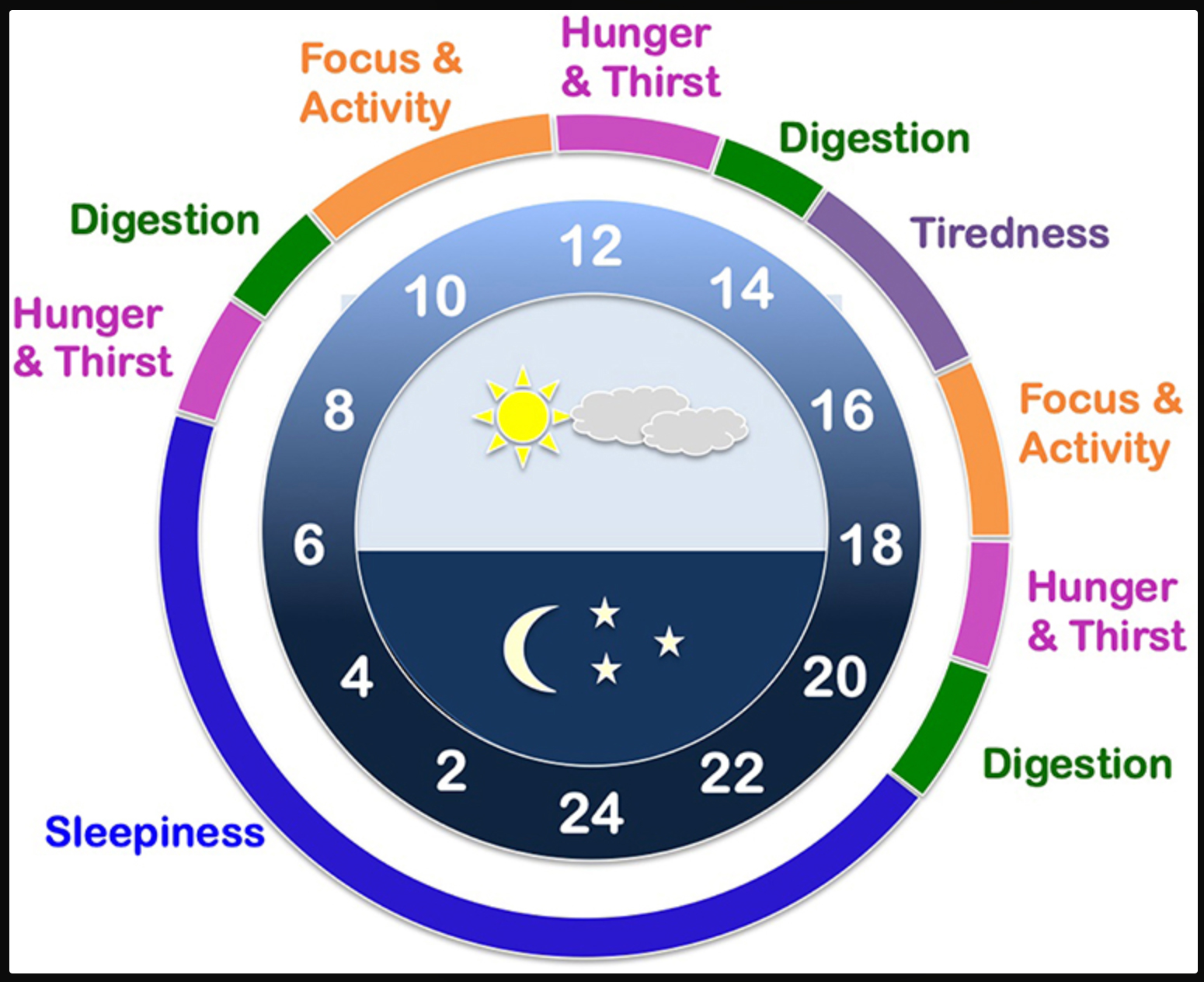
In this first part of a two-part series, I will introduce circadian rhythm concepts — the term circadian derives from the Latin circa (“about”) and dies (“day”) — that help explain human health through regulation of such physiological processes as sleep-wake cycles, hormone production, metabolism, and cardiovascular function. These natural biological cycles affect most living things and synchronize primarily by external light–dark cycles. Key processes controlled by circadian clocks include body temperature, hormone secretion, digestive activity, muscle-metabolic functioning, and sleep timing.
Circadian rhythms and biological clocks
Circadian rhythms represent biological cycles within organisms that adjust physiology and behavior to anticipate and adapt to changes in the physical environment. Circadian rhythms are 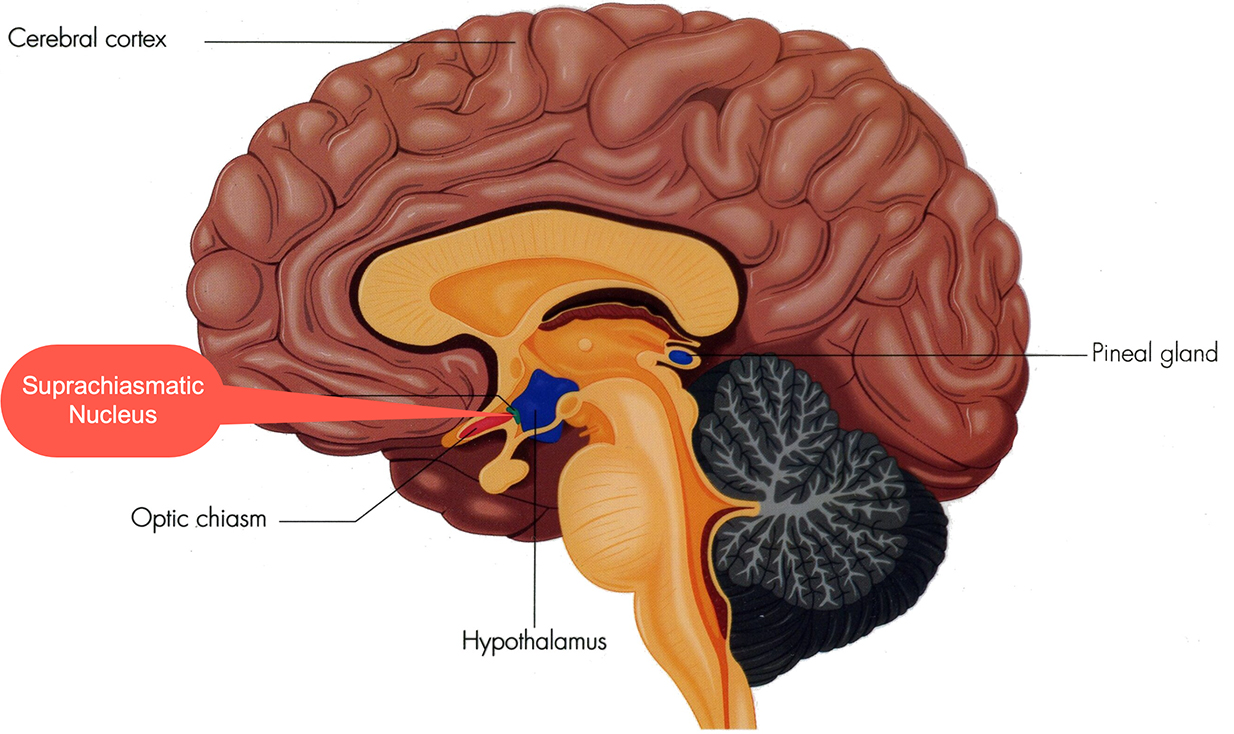 maintained with the help of circadian (biological) clocks. The main biological clock, termed the suprachiasmatic nucleus (SCN), referred to as the master clock in humans, locates in the brain’s hypothalamus and contains about 20,000 nerve cells (neurons).
Genes within cells produce oscillations in protein levels, which in turn drive rhythmic cycles of molecular and cellular activity. External cues, called zeitgebers — such as light, meals, social interactions, and temperature — help adjust or entrain circadian rhythms to local time.
When the biological clock is out of alignment with the environment — such as during jet lag or shift work — physiological functions can be impaired, increasing health risks.
Biological clocks exist in many tissues
Biological clocks are present not only in the brain but in virtually every cell and tissue, coordinating physiological functions at the cellular and organ level. Disruption of these rhythms — due to employment routines, irregular sleep patterns, exposure to artificial light at night, even nutrition and exercise — can significantly increase risks for a wide range of diseases and health problems that will be highlighted in my next Health Yourself column.
The study of circadian rhythms
 Chronobiology is an emerging subdiscipline of biology. It represents the study of circadian rhythms, primarily focusing on the timing of biological events, especially repetitive/cyclical phenomena in individual cells, tissues, and whole organisms.
The cellular time-keeping system of circadian rhythms acts essentially as a biological clock, allowing an organism to anticipate and prepare for changes in the physical environment, thereby ensuring the organism will “do the right thing” at the right time. Human biological clocks also provide an internal way to ensure that internal changes take place in coordination with one another.
Chronobiology history
The study of biological rhythms traces back to French scientist Jean-Jacques d’Ortous de Mairan, who, in 1729, described the daily leaf movements of a plant. de Mairan observed that the daily raising and lowering of leaves continued even when the plant was not exposed to sunlight. This finding suggested the leaves’ movements represented something more than a response to the sun; rather, they were controlled by some sort of internal process.In 1751, subsequent experiments by Carl Linnaeus would suggest the presence of species-centric biological clocks. He’d created a “floral clock” using the predictable timing of flowers opening and closing. He went on to develop the modern system of biological classification, known as Linnaean taxonomy, in which organisms are assigned a two-part scientific name, such as Homo sapiens for humans. This fundamental classification system, including the five-level hierarchy of kingdom, class, order, genus, and species, is still used today.
Modern techniques for studying biological clocks span molecular, cellular, physiological, and behavioral methods, using advanced technologies to unravel their mechanisms. These newer techniques and methodology have had enormous influence on newer, emerging medical procedures to cure or ameliorate different diseases and conditions. The most promising new methods include:
- CRISPR Genome Editing
- Epigenetic Analysis
- Artificial Cells & Clock Proteins
- Proteomics and Metabolomics
- Actigraphy and Smartphone Apps
What biological clocks do
Biological clocks regulate the timing of physiological processes, helping organisms synchronize their activities with environmental cycles such as day and night, as well as schedules for work, play, travel, sports, and so on. Properly aligned, biological clocks help optimize the body’s performance, making individuals feel alert during the day, ready for meals and other events at the right time, and able to sleep soundly at night. These clocks allow organisms to anticipate and adapt to regular environmental changes, maximizing health and efficiency.
Why it matters
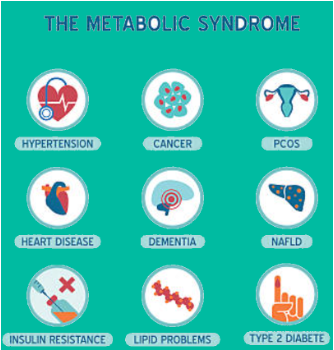
Knowing about biological clocks allows for the prevention and management of several chronic conditions including metabolic syndrome, which includes a host of preventable conditions and some types of cancer. Disrupted clocks (such as from shift work, jet lag, or irregular daily routines) have well-established links to elevated risks for these diseases.
Biological rhythms make individuals healthier when daily activity, eating, and sleeping patterns are synchronized with natural day–night cycles. This alignment boosts energy, metabolism, cognitive performance, and immune function.
 The effectiveness of medications and health interventions also can depend on the time of day they are administered, a concept called chronotherapy. For some drugs, as well as cancer treatments, timing based on biological rhythms can improve outcomes and reduce side effects.
Finally, knowing about circadian rhythms is important because they profoundly influence health, energy levels, and mental state. Maintaining a healthy rhythm can improve your overall well-being, while consistent disruption is linked to numerous chronic diseases, including sleep quality, mental health, metabolism, immune function, and cardiovascular health.
Stay tuned for Part 2.
References:
- Aoyama, S., Shibata, S. “The role of circadian rhythms in muscular and osseous physiology and their regulation by nutrition and exercise.” Frontiers in Neuroscience. 2017;11:63.
- Gutierrez-Monreal, M.A., et al. “Ticking for metabolic health: The skeletal-muscle clocks.” Obesity. 2020;28(Suppl. 1):S46.
- Huang, Z.Q., et al. “Circadian rhythms and pain: A narrative review on clock genes and circadian-based interventions.” Journal of Pain Research. 2025;18:4687.
- Juliana, N., et al. “Effect of circadian rhythm disturbance on the human musculoskeletal system and the importance of nutritional strategies.” Nutrients. 2023;15(3):734.
- Karabulut, S., Oria, L. “The effects of circadian rhythm on reproductive functions.” Zygote. 2025:1.
- Kim, H.K., Shibata, S. “Circadian rhythm and muscle function.” Advances in Experimental Medicine and Biology. 2025;1478:101.
- Luo, B., et al. “Circadian rhythms affect bone reconstruction by regulating bone energy metabolism.” Journal of Translational Medicine. 2021;19:410.
- Mansingh, S., Handschin, C. “Time to train: The involvement of the molecular clock in exercise adaptation of skeletal muscle.” Frontiers in Physiology. 2022;13:902031.
- Mohd, Azmi NAS, et al. “Consequences of circadian disruption in shift workers on chrononutrition and their psychosocial well-being.” International Journal of Environmental Research and Public Health. 2020;17:2043.
- Pareek, M., et al. “Trials on timing of cardiovascular medication administration: The cardiovascular circadian chronotherapy trial concept.” JACC: Advances 2025;4(10 Pt 2).
- Pifer, G.C., et al. “Long-lasting effects of disturbing the circadian rhythm or sleep in adolescence.” Brain Research Bulletin. 2024;213:110978.
- Vitaterna, M.H., et al. “Overview of circadian rhythms.” Alcohol Research & Health. 2001;25(2):85.
- Wang, F., et al. “Circadian regulation of vascular function: Metabolism as a link from molecular mechanisms to clinical implications.” Biochimica et Biophysica Acta — Molecular Basis of Disease. 2025;1872(1):168048.
- Zhang, R., et al. “A circadian gene expression atlas in mammals: Implications for biology and medicine.” Proceedings of the National Academy of Sciences, USA. 2014;111:16219.

