
Research News
-

Computers that fit on a pen tip
Recent advances by U-M researchers are significant milestones in the march toward millimeter-scale computing, believed to be the next electronics frontier.
-
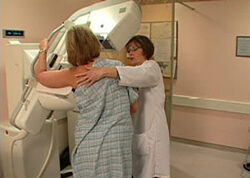
Mammograms from age 40 save lives
So says a U-M study that looks at whether it’s best to start regular screening at 40 or 50.
-

Powerful 3-D X-rays for kids in braces should be the exception, not the rule
Some orthodontists may be exposing young patients to unnecessary radiation when they order 3-D X-ray imaging for simple orthodontic cases before considering traditional 2-D imaging.
-

Why are you living together?
Ask cohabiting men and women, and you get very different views about what their relationship means and where it’s going.
-

Study suggests that being too clean can make people sick
Young people who are overexposed to antibacterial soaps containing triclosan may suffer more allergies, a U-M study suggests. It also found that exposure to BPA may cause health problems for adults.
-

Do Americans stretch the truth about church attendance?
“Americans have long been viewed as exceptionally religious compared to other nations in the developed world,” says a U-M researcher. But new findings suggest that Americans might not actually attend church as often as they say they do.
-

Kids frequently exposed to imaging procedures that use radiation
Parents and doctors should educate themselves and be cautious about the frequent use of these diagnostic tests for kids.
-

Recycling waste heat into energy
The right material wrapped around your car’s exhaust system could one day scavenge heat that would otherwise be wasted, turning it into energy to warm the cabin or recharge the battery. That’s the work being done by U-M scientists using materials with the peculiar name skutterudites.
-

Do you live in a 'head' city or a 'heart' city?
Does your hometown display mostly “head” strengths, like intellect and creativity? Or is it more of a “heart” city, emphasizing social ties and kindness? U-M researchers Christopher Peterson and Nansook Park, who study the components of a meaningful life, say that many cities tend in one direction or another—and that affects citizens’ happiness, affluence and even politics.
